The Cold Chain Is Only as Strong as Its Weakest Link
A vaccine leaves a warehouse in perfect condition.
Days later, it reaches a clinic—still sealed, still intact.
Yet it gets rejected.
Why?
Because somewhere in transit, temperature compliance couldn’t be proven.
Where Cold Chains Commonly Fail
Cold chain failures rarely happen at a single point.
They accumulate across:
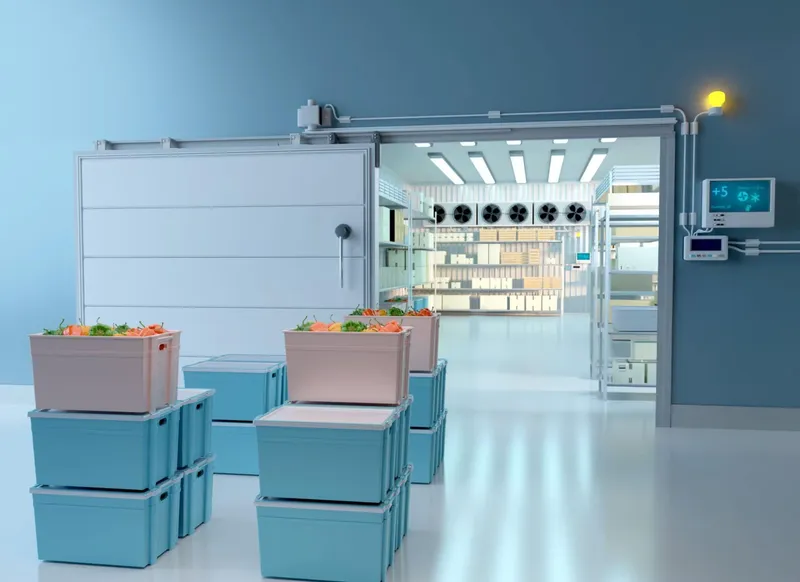
- Storage rooms
- Transport vehicles
- Distribution hubs
- Last-mile delivery
Without visibility, small deviations go unnoticed—until it’s too late.
The Shift from Logging to Live Awareness
Traditional temperature logging answers one question:
What happened?
Real-time temperature logging answers a better one:
What is happening right now?
That difference changes outcomes.
A Typical Real-World Scenario
A pharmaceutical distributor deploys real-time dataloggers across:
- Warehouse cold rooms
- Reefer trucks
- Regional distribution points
Within weeks, patterns emerge:
- Repeated temperature spikes during loading
- HVAC delays during peak hours
- Unnoticed door-open events
None of these were visible before.
How Real-Time Logging Prevents Loss
Modern temperature dataloggers enable:
- Instant alerts for excursions
- Remote visibility across locations
- Historical trend analysis
- Faster corrective action
Instead of reacting after failure, teams intervene before damage occurs.
Compliance Meets Patient Safety
Real-time data doesn’t just protect products—it protects patients.
It ensures that:
- Medicines maintain efficacy
- Regulatory records remain intact
- Trust is preserved across the supply chain
From Cost Center to Control System
What was once seen as “just a logger” becomes:
- A quality assurance tool
- A compliance safeguard
- A decision-making asset
Cold chain monitoring evolves from paperwork to intelligence.
The Takeaway: Visibility Saves More Than Products
In pharma logistics, failure is often invisible—until it’s irreversible.
Real-time temperature logging makes the invisible visible.
And that visibility protects:
- Inventory
- Compliance
- Patient outcomes
Because in healthcare, reliability is not negotiable.