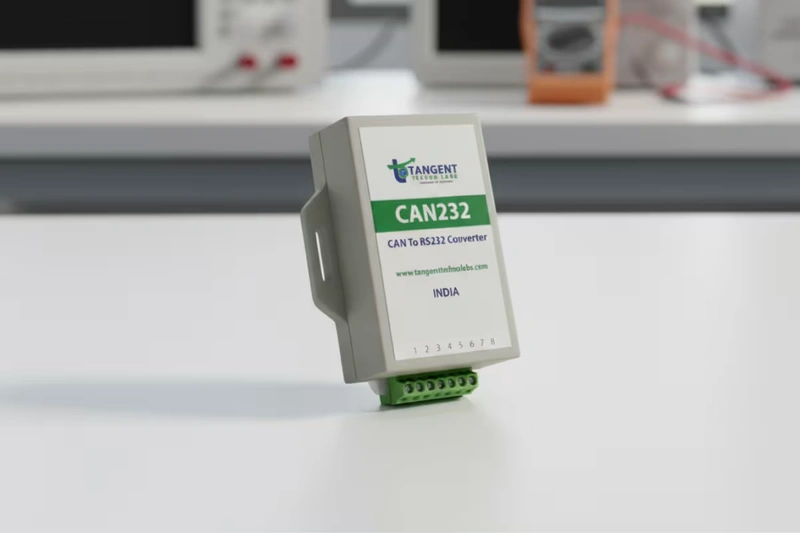
What is Industrial IoT?
Industrial IoT (IIoT) represents the convergence of operational technology (OT) and information technology (IT), enabling manufacturers to connect machines, sensors, and systems to gather real-time data and drive intelligent decision-making.
Unlike consumer IoT, IIoT operates in demanding industrial environments where reliability, security, and precision are paramount. The technology enables predictive maintenance, operational efficiency, and data-driven insights that transform traditional manufacturing into smart, connected operations.
Key Components of IIoT Architecture
1. Edge Devices and Sensors
The foundation of any IIoT system consists of industrial-grade sensors that monitor critical parameters:
- Temperature and humidity sensors
- Vibration and acoustic sensors
- Pressure and flow meters
- Energy consumption monitors
- Asset tracking devices
These sensors must withstand harsh industrial conditions including extreme temperatures, dust, moisture, and electromagnetic interference.
2. Industrial Gateways
IoT gateways serve as the bridge between edge devices and cloud platforms. They perform critical functions:
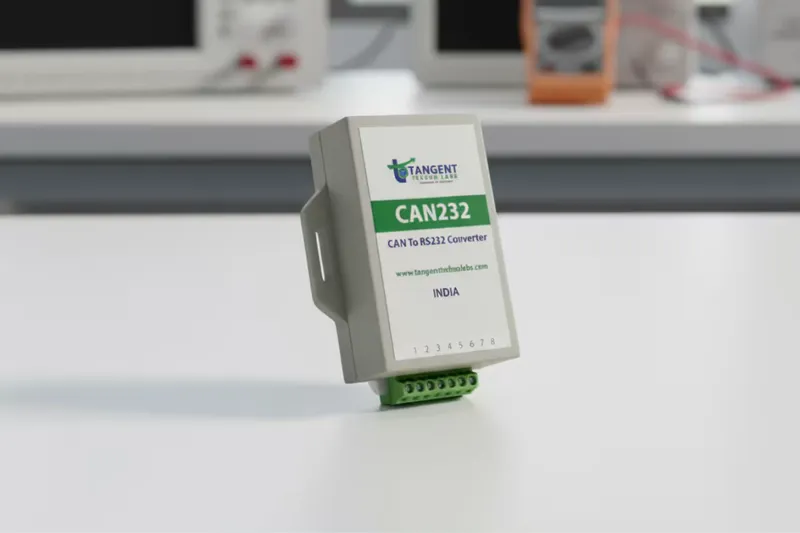
- Protocol Translation: Converting between industrial protocols (Modbus, CAN, Profibus) and IT protocols (MQTT, HTTP)
- Data Aggregation: Collecting data from multiple sensors and devices
- Edge Computing: Processing data locally to reduce latency
- Security: Implementing encryption and authentication
3. Connectivity Solutions
Reliable connectivity is essential for IIoT deployments:
- Wired: Ethernet, RS485, CAN bus
- Wireless: Wi-Fi, 4G/5G, LoRaWAN, NB-IoT
- Hybrid: Combining multiple connectivity options for redundancy
4. Cloud Platform and Analytics
Cloud platforms enable:
- Centralized data storage and management
- Advanced analytics and machine learning
- Real-time dashboards and visualization
- Remote monitoring and control
- Integration with enterprise systems (ERP, MES)
Real-World IIoT Applications
Predictive Maintenance
By continuously monitoring equipment health through vibration analysis, temperature monitoring, and operational patterns, manufacturers can:
- Predict failures before they occur
- Reduce unplanned downtime by 30-50%
- Optimize maintenance schedules
- Extend equipment lifespan
Case Study: A automotive parts manufacturer reduced maintenance costs by 40% after implementing vibration monitoring on critical CNC machines.
Energy Management
IIoT-enabled energy monitoring provides:
- Real-time tracking of power consumption
- Identification of energy waste
- Peak demand management
- Carbon footprint reduction
Manufacturing facilities typically achieve 15-25% energy savings within the first year of implementation.
Quality Control and Traceability
Automated quality inspection using vision systems and sensors ensures:
- 100% inspection coverage
- Immediate defect detection
- Complete product traceability
- Compliance documentation
Supply Chain Optimization
Real-time asset tracking and inventory management enable:
- Automated stock level monitoring
- Just-in-time inventory management
- Reduced carrying costs
- Improved order fulfillment
Implementation Best Practices
Start with a Pilot Project
Begin with a focused use case that delivers measurable ROI:
- Identify a specific pain point (e.g., frequent equipment failures)
- Deploy sensors on critical assets
- Establish baseline metrics
- Measure improvement over 3-6 months
- Scale successful implementations
Ensure Cybersecurity
Industrial systems face unique security challenges:
- Implement network segmentation
- Use VPNs for remote access
- Apply regular security updates
- Conduct vulnerability assessments
- Train staff on security protocols
Choose the Right Technology Stack
Select components based on:
- Scalability: Can the solution grow with your needs?
- Interoperability: Does it work with existing systems?
- Reliability: What’s the track record in industrial environments?
- Support: Is local technical support available?
Focus on Data Quality
Ensure data accuracy through:
- Proper sensor calibration
- Regular maintenance
- Data validation rules
- Redundant measurements for critical parameters
Overcoming Common Challenges
Legacy Equipment Integration
Many factories operate equipment that’s decades old. Solutions include:
- Retrofit sensors with wireless capabilities
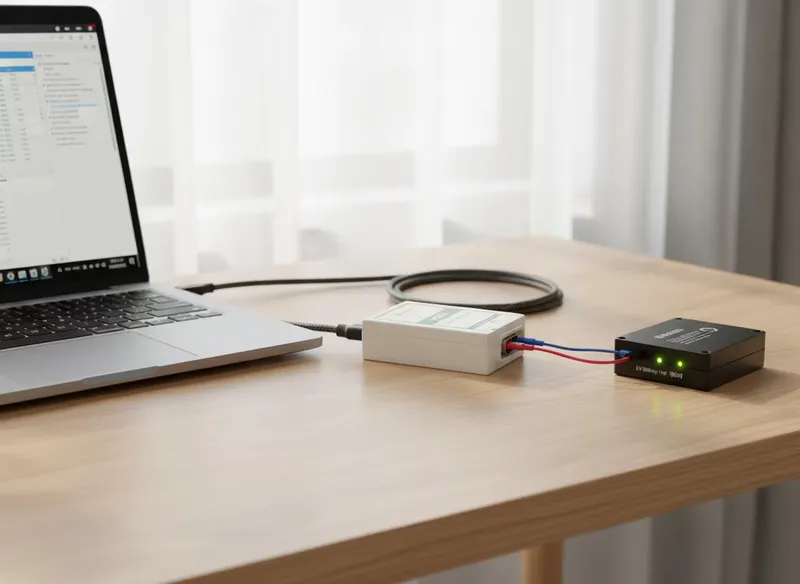
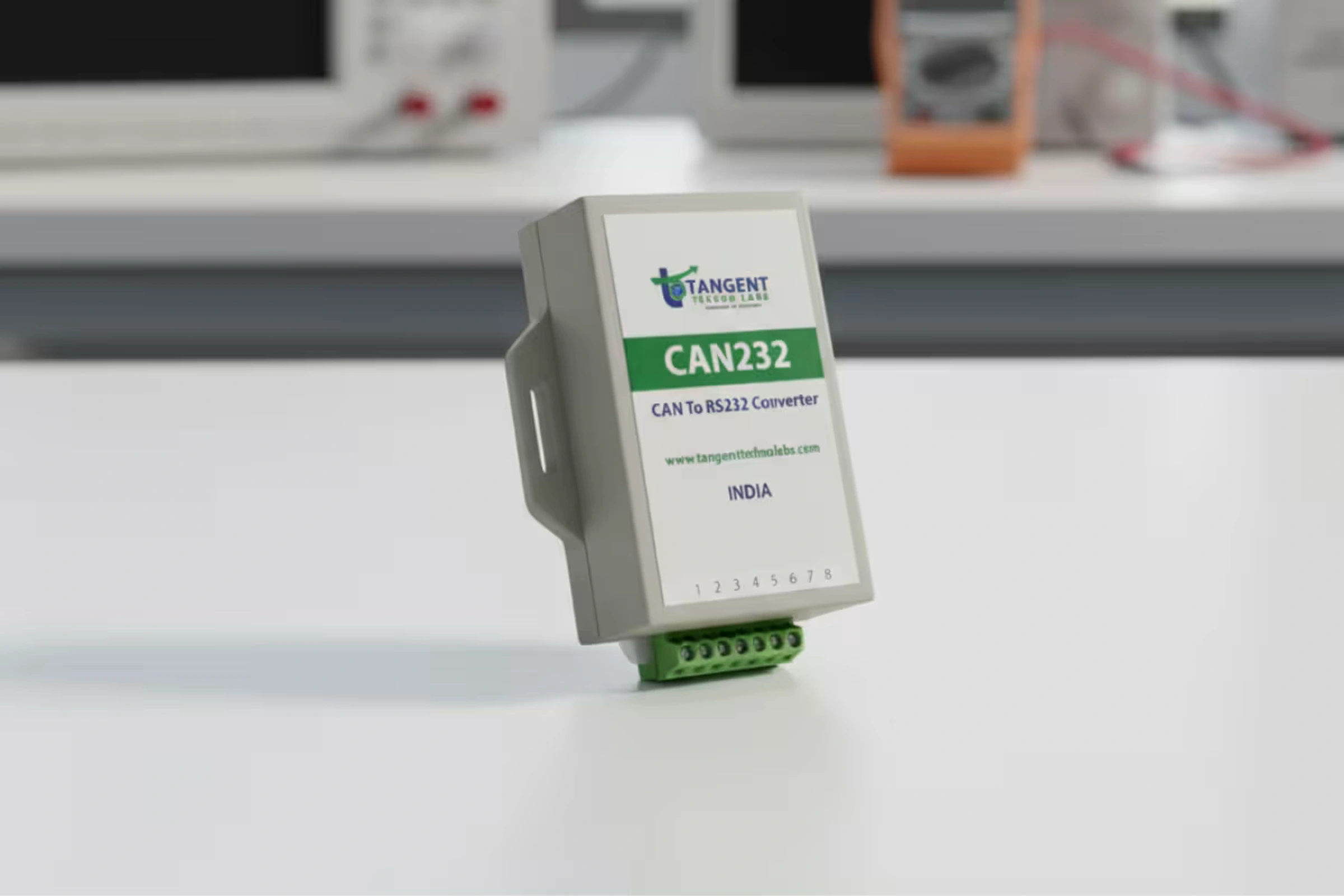
- Use protocol converters to bridge old and new systems
- Implement non-intrusive monitoring where possible
Connectivity Issues
Industrial facilities often have challenging RF environments:
- Conduct site surveys before deployment
- Use mesh networking for extended coverage
- Implement redundant connectivity paths
- Consider hybrid wired/wireless solutions
Skills Gap
Address the shortage of IoT expertise through:
- Partner with experienced solution providers
- Invest in training for existing staff
- Start with user-friendly platforms
- Leverage vendor support services
ROI Calculation Framework
Calculate IIoT ROI by quantifying:
Cost Savings:
- Reduced downtime (hours × production value)
- Lower maintenance costs
- Energy savings
- Quality improvement (reduced scrap/rework)
Revenue Enhancement:
- Increased production capacity
- New service offerings (remote monitoring)
- Faster time-to-market
Typical Payback Period: 12-24 months for focused implementations
Future Trends in IIoT
Edge AI and Machine Learning
Advanced analytics moving to the edge for:
- Real-time decision making
- Reduced latency
- Lower bandwidth requirements
- Enhanced privacy
Digital Twins
Virtual replicas of physical assets enabling:
- Simulation and optimization
- Virtual commissioning
- Training and troubleshooting
5G for Industrial Applications
Ultra-reliable low-latency communication supporting:
- Autonomous vehicles in factories
- Remote operation of machinery
- Massive sensor deployments
- AR/VR applications
Getting Started with TEK DEPO
At TEK DEPO, we offer comprehensive IIoT solutions including:
- Industrial-grade IoT gateways and sensors
- Protocol converters for legacy system integration
- Connectivity solutions (4G/5G routers, LoRaWAN gateways)
- Expert consulting and deployment services
- Ongoing technical support
Our solutions are deployed across industries including automotive, manufacturing, energy, and smart buildings.
Conclusion
Industrial IoT is no longer a future technology—it’s a present reality delivering measurable benefits to manufacturers worldwide. Success requires careful planning, the right technology partners, and a phased implementation approach.
Start small, prove value, and scale systematically. The journey to Industry 4.0 begins with a single connected sensor.
Ready to transform your operations with IIoT? Contact our team for a customized consultation.